Guides
Celebrity families: Los Angeles records and privacy
Celebrity families in Los Angeles: how birth records and court dockets shape privacy, who may request certificates, and what the public can see.
What to take away
- Celebrity families in Los Angeles may obtain a birth certificate copy from the county or the state, subject to California's eligibility rules for certified copies.
- Los Angeles County court filings in family law cases are indexed online, but the documents themselves are often restricted to parties and attorneys.
- Entertainment media document access usually runs through paid record retrievals, not special privileges.
- Sealed custody filings hide financial declarations, medical evaluations and a child's identifying details.
- People who meet California's eligibility rules can request an authorized certified copy; informational copies are available to a wider group.
What California vital records release for a Los Angeles birth
California keeps birth records at the state level, not with the city of Los Angeles. A birth that happens in an LA hospital is registered with the Los Angeles County Registrar-Recorder/County Clerk, which then passes the record to the California Department of Public Health.
Birth Record Path in California
- LA hospital birth
- LA County Registrar-Recorder/County Clerk
- California Department of Public Health
- Certified copy issued
The state runs two systems. The California Department of Public Health issues certified copies of birth certificates for all counties. County registrar offices issue their own certified copies for births in their county. Both produce the same legal document.
A standard certified copy shows the child's name, date and place of birth, sex, and the parents' names, ages and birthplaces. It does not show the hospital room, the delivery doctor's notes or the family's home address.
California also offers a confidential birth record for adoptions and some paternity cases. Those records are not open to the public. The National Vital Statistics System collects birth data from every state, so a California birth becomes part of a national count without exposing the family.
The NVSS homepage explains how that national system works.
For readers tracking a celebrity pregnancy, the practical point is that a birth certificate is a legal identity document, not a news release. Read more on celebrity pregnancies privacy.
Los Angeles County court filings and docket access
Family law cases in Los Angeles County are filed in the Superior Court of California, County of Los Angeles. That includes divorce, paternity, child support and custody matters.
Public Docket vs Sealed Documents
Public docket
- Case title
- Visible
- Filing date
- Visible
- Document list
- Visible
- Custody evaluation
- Entry only
- Income declaration
- Entry only
- Settlement agreement
- Entry only
Sealed documents
- Case title
- Hidden
- Filing date
- Hidden
- Document list
- Hidden
- Custody evaluation
- Sealed
- Income declaration
- Sealed
- Settlement agreement
- Sealed
The Los Angeles Superior Court's Case Access system lets anyone look up a case by name or case number. You can see the case title, filing date, case type and a list of documents filed. That index is public.
The documents behind those entries are a different matter. Many family law filings are marked confidential at the time they are filed. A custody evaluation, an income and expense declaration (California form FL-150), or a settlement agreement may appear on the docket as an entry with no viewable file.
Los Angeles County court filings in high-profile cases often arrive with a sealing motion attached. For court records governed by the general sealing rules, California Rules of Court, rules 2.550 and 2.551, set the standards and procedure for sealing. A judge can seal a document, a portion of a document, or the entire file. The docket entry stays visible even when the content does not.
Physical access rules matter too. Family law matters are heard in dedicated courtrooms, and some proceedings are closed to the public. A reporter who wants to watch a hearing may be turned away at the door.
How entertainment media obtain birth and custody documents
Entertainment media document access in Los Angeles follows the same path as any other requester, with more money and more lawyers behind it.
Most outlets start with the court index. A name search produces the case number, and the case number produces the docket. From there, a reporter or a paid service orders copies of the documents that are not restricted.
For vital records, outlets order certified copies from the state or county just like a family member would, assuming they can meet the eligibility test. Some use licensed private investigators who have standing to request records in certain contexts.
What the media rarely get is a sealed document. A judge's sealing order binds everyone, including the press. When a story cites a sealed custody filing, the information usually came from a source, a leaked copy, or a filing in a different case that was never sealed.
Privacy law sets a floor here. The Federal Trade Commission enforces rules on children's data, and its children's privacy guidance covers how personal information about minors is collected and used. That shapes what outlets can publish about a celebrity child.
Which details stay sealed in a celebrity custody case
A parent's fame alone does not make a custody filing sealed. California judges weigh a child's privacy against the public's right to see court records.
Examples of material that may be restricted from public view include:
- Custody evaluation and child-custody recommending-counseling reports, which are subject to confidentiality protections.
- A child's medical or mental-health records filed in the case, when protected by applicable rules or a court order.
- A child's identifying or contact details when disclosure creates a privacy or safety concern and the court restricts access.
- Income and expense declarations or supporting financial details when confidentiality rules or a court order restrict access.
- Settlement terms and exhibits submitted under seal or covered by a sealing order.
- Other sensitive exhibits about a child or family when a judge grants a request to seal them.
What Judges Seal in Custody Cases
- Custody evaluations and psychological reports
- Income and expense declarations
- Medical and school records
- Child's current address and school
- Settlement terms with parenting schedules
- Documents that would harm the child
What usually stays public is the case caption, the filing dates, the names of the parties and the fact that a hearing happened. That is enough for a headline but not enough for a full story.
Judges can also seal a case at the start. A petition to seal is itself a filing, and it may be visible even when everything after it is not. If the petition is granted, later filings drop off public view.
Financial details are a frequent target. A celebrity divorce or paternity case may include income figures that a business manager would rather keep private. Those numbers often surface in a celebrity child support in California analysis only after a judge orders disclosure or a party files an unsealed document.
Requesting a California birth record: fees and eligibility
California limits who can get a certified copy of a birth certificate under Health and Safety Code section 103526. The registrant, a parent or legal guardian, a spouse, a child, a sibling or a grandparent can apply. An authorized agent with a court order can also apply.
The state publishes the office addresses and request details for each state in its Where to Write for Vital Records - California page. General application rules, including ID requirements, appear in the application guidelines.
Steps to request one:
- Decide whether to apply through the California Department of Public Health or the county office for the county where the birth was registered.
- Check whether you qualify for an authorized certified copy under Health and Safety Code section 103526. If you do not, check whether an informational copy meets your needs.
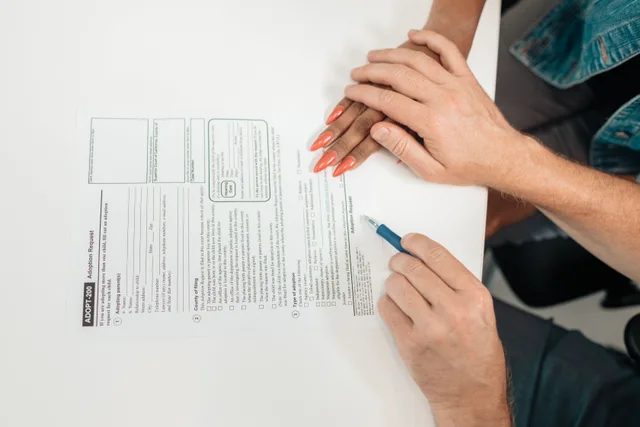
- Complete California form VS 111, the Application for Certified Copy of Birth Record, and provide the identifying details requested on the form.
- For an authorized certified copy, complete the required sworn statement and have it notarized as directed by the form. Follow the office's instructions for any required identification or supporting documents.
- Submit the application and payment to the chosen office using its current instructions. Confirm that office's fee, mailing address and processing options before sending the request.
How to Request a Birth Record
- Confirm eligibility for certified copy
- Download application from state or county
- Fill in child and parent details
- Sign sworn statement under penalty of perjury
- Include notarized statement if by mail
- Attach government-issued photo ID
- Pay fee and submit
Fees vary by office and can change, so check the current amount before sending an application. The Los Angeles County Department of Public Health Vital Records Office lists a fee of $34.00 per certified copy; that is the county office's charge, not a statewide California Department of Public Health fee. Processing can take weeks by mail, and same-day service is limited to certain county offices, so confirm current options with the office you choose.
An informational copy, marked with a different legend, is available to a wider group but cannot be used for identity purposes. If you are researching a family line rather than proving identity, that version may be enough. Related reading: celebrity adoption records covers how adoption files differ from birth records.
What a Los Angeles birth announcement can legally omit
A birth announcement is not a legal filing. It is a statement the family controls, and it can leave out almost anything.
Parents can omit the exact birth date, the hospital, the birth weight, the middle name and the names of siblings. They can decline to name the other parent. They can announce a birth weeks after it happened.
What they cannot do is falsify a vital record. The birth certificate filed with the county must be accurate, and knowingly filing false information is a crime.
This gap between the announcement and the record is where most celebrity birth coverage lives. A publicist confirms a birth, the certificate stays sealed to non-relatives, and the details the family chose to share become the story.
Outlets that publish a child's photo or full name face a separate set of decisions about consent and privacy. Our guide to celebrity children facts walks through how families and publishers handle that balance. For the wider pattern of how famous kids grow up in public view, see celebrity children steps examples.