Guides
Celebrity lineage probate court: documents and pitfalls
Celebrity lineage probate court disputes turn on documents and legal parentage. Learn why DNA, adoption records and creditor deadlines need care.
What to take away
- Probate courts require a documented chain from claimant to decedent, not a public narrative.
- Birth certificates, adoption decrees and DNA results carry different weight in each state.
- A missed filing deadline often ends the claim before any evidence is heard.
- The usual burden is a preponderance of evidence, but some states raise it for paternity claims.
A celebrity lineage probate court dispute turns on rules of evidence. The judge wants paper, not press coverage. A tabloid story about a supposed child means nothing unless the claimant files admissible proof.
Proving celebrity lineage in US probate court requires the same documents as any heirship claim. Probate courts determine heirs through a formal process described by Cornell Law School's probate overview.
Prince died without a will, and his estate was handled in Minnesota's Carver County District Court. His estate illustrates why identifying legal heirs matters independently of public family stories.
Parentage and the burden of proof
Most civil inheritance claims use the preponderance of the evidence standard. A claimant must show a fact is more likely true than not. A few states raise the bar to clear and convincing evidence when paternity is proved after the alleged parent has died.
California and New York often follow a preponderance standard for ordinary heirship, but local rules differ on what filings start the case. Celebrity inheritance disputes rarely change this burden. Wikipedia's summary of probate notes that heirship disputes often rest on documentary evidence.
New York's Estates, Powers and Trusts Law section 4-1.2 provides a clear-and-convincing-evidence route for establishing paternity for inheritance. That evidence may include a genetic marker test. This is a specific parentage rule, not a higher burden imposed because a family is famous.
Documents that carry weight
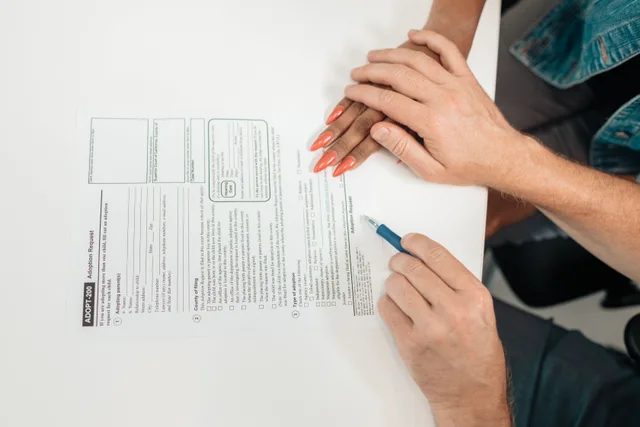
A birth certificate names a legal parent if signed at or near birth, and an adoption decree ends an old legal tie and creates a new one.
Probate evidence strengths and weaknesses
Evidence type
- Birth certificate
- Legal parentage at birth
- Adoption decree
- Legal parent after adoption
- DNA test report
- Biological relationship
- Sworn affidavit
- Family knowledge
What it shows
- Birth certificate
- Can be amended or wrong
- Adoption decree
- Sealed in some states
- DNA test report
- May not override legal parentage
- Sworn affidavit
- Hearsay and memory error
Common weakness
- Birth certificate
- Adoption decree
- DNA test report
- Sworn affidavit
Marriage certificate proves a spouse's claim, and a DNA test shows a biological link but not always a legal inheritance right. Relative's sworn affidavit can support a claim but rarely carries it alone.
| Evidence type | What it shows | Common weakness |
|---|---|---|
| Birth certificate | Legal parentage at birth | Can be amended or wrong |
| Adoption decree | Legal parent after adoption | Sealed in some states |
| DNA test report | Biological relationship | May not override legal parentage |
| Sworn affidavit | Family knowledge | Hearsay and memory error |
Sealed adoption records vary by state. Adoption record access varies by state, which affects which decrees a claimant can obtain. Celebrity Adoption Records by State outlines which records a claimant can obtain. Probate lineage evidence often begins with these records.
Preparing a documentary record
- Obtain certified birth, marriage and death records from the relevant vital records office; request adoption decrees from the court that holds the file, subject to its access rules.
- Keep records linking each generation together, noting any changes of name or legal parentage.
- Separate evidence of a biological relationship from evidence of a legal right to inherit.
- Ask probate counsel which documents are admissible and which petition or objection fits the case before submitting anything to the court.
The filing window depends on the proceeding. For a California petition under Probate Code section 11700, filing is permitted after letters are first issued to a general personal representative and before an order for final distribution is made. A creditor's deadline is a separate rule.
Proving a probate lineage claim
- Order certified copies of birth, adoption, marriage or death records
- File a claim or objection before the state deadline
- Serve the estate representative and all known heirs
- Present original documents and live testimony at the hearing
- Ask the judge to enter an order determining heirship
California Probate Code section 11700 requires the petition to include a statement of the basis for the petitioner's claim.
Example: why creditor notices can mislead
Suppose a person claims to be the adult child of a recently deceased actor. The estate administrator publishes a notice to creditors. The claimant waits eight months. That wait alone does not establish that an heirship petition is barred: the claimant must identify the governing heirship procedure and the stage of administration. A creditor's deadline concerns a debt owed by the estate, not simply a claim to be the decedent's child.
In California, creditors must file their claim with the court and mail a copy to the personal representative within the later of four months from the date of first issuance of letters to a general personal representative or 60 days from the date of mailing or personal delivery of notice under Probate Code section 9052. These are creditor claim deadlines, not a general deadline for establishing heirship.
For public family trees, family trees history shows the difference between documented lines and guesswork. Some states require a formal objection rather than a separate claim. Others use a petition to determine heirs. The local probate code controls the exact form.
California Probate Code section 11700 names the filing as a petition for a court determination of the persons entitled to distribution of the decedent's estate. The petition must include a statement of the basis for the petitioner's claim.
A claimant who uses the wrong form may get a hearing but lose on procedure. A probate clerk can usually confirm the correct form, but the clerk cannot give legal advice. In California, Probate Code section 11701 specifies the information that a petition must contain about known claimants and estate property.
When affidavits expose family details, family trees privacy right matters before documents enter a public court file. A sworn statement may name former spouses, adult children and places of birth. Once filed, that information becomes part of the probate record. Claimants should ask the court to seal sensitive portions.
Public records often conflict. A birth index may list one father while a delayed birth certificate lists another. A family bible entry may disagree with an adoption decree. The judge weighs each document against the others. What is publicly documented about celebrity children explains which records are reliable enough to submit.